
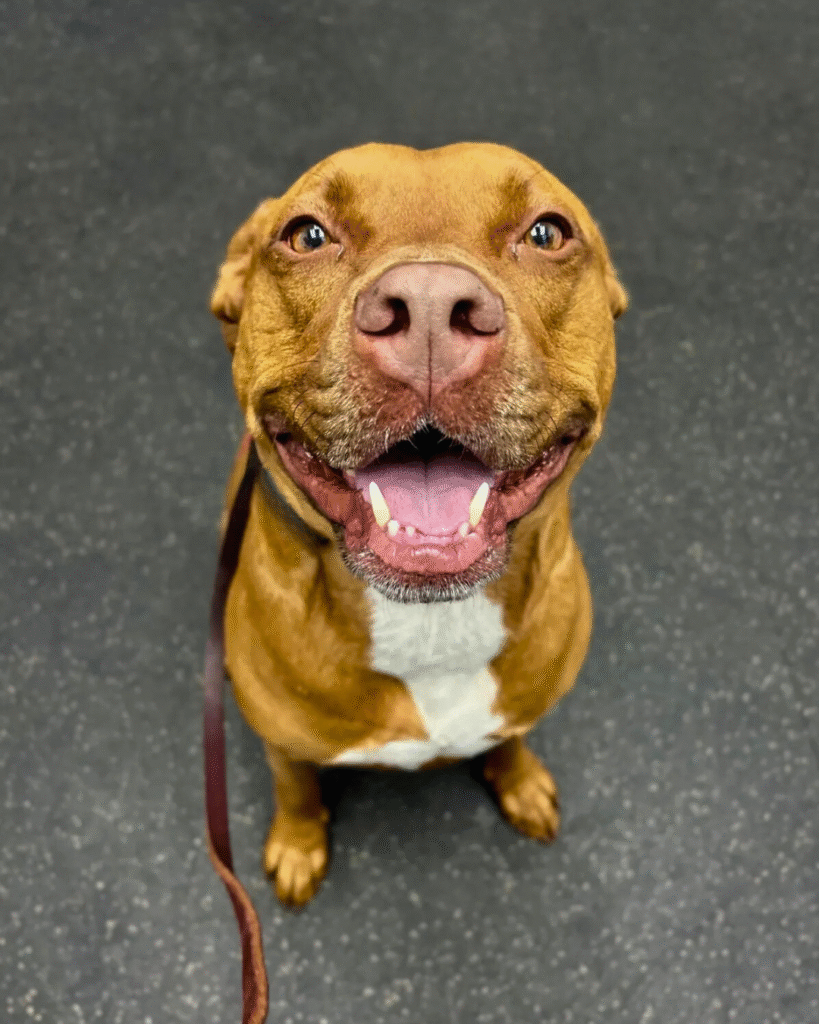
Crate training isn’t just a method. It’s a tool for better behavior, peace of mind, and a safer, happier dog. A well-trained dog feels secure in their space, travels more easily, adjusts to boarding without stress, and stays calm when you’re away. Whether you’re dealing with accidents, anxiety, or the chaos of a new routine, crate training makes daily life smoother for both of you.
This guide is for every new dog parent, puppy owner, rescue adopter, and anyone looking to make crate training a positive part of life with their canine companion. Crate training is more than teaching your dog to sit quietly in a crate. It’s about creating a safe, comforting space that encourages healthy habits and reduces stress.
Dogs naturally seek out structure, comfort, and a space to call their own. Crate training offers all of that when it’s done right. From potty training and travel to managing separation anxiety and teaching boundaries, this guide offers clear steps and reliable support to help you succeed, even if you’ve struggled in the past.
Crate Training Basics: Why a Crate Can Be a Safe Haven
Crate training teaches your dog that their crate is a safe and secure place to relax. For many dogs, this transforms the crate into a retreat, a quiet spot where they can nap, chew on a toy, or escape household chaos. Crate training helps housebreak puppies, supports rescue dogs learning new routines, and comforts anxious pets who need a safe space.
Benefits of Crate Training:
- Prevents destructive habits when you’re out
- Simplifies potty training for puppies
- Offers a routine for rescue dogs adjusting to a new life
- Creates a familiar spot for anxious dogs
Some pet parents worry that crates feel like punishment. In truth, dogs are den animals; they love cozy, enclosed spaces. A well-sized and inviting crate satisfies this need. For more guidance tailored to puppies and lifelong training basics, check out the Puppy Training Guide for proven steps and tips.
How Crate Training Supports a Dog’s Emotional and Physical Well-being
A properly introduced crate provides comfort and security, much like a child’s bedroom. Dogs learn routines more quickly with crate training, which helps reduce anxiety and supports their emotional well-being. This is especially valuable in stressful situations, such as moving to a new house, traveling by car, or facing unexpected events, like emergency boarding.
Crate training helps with:
- Housebreaking: Dogs learn to hold their bladder while in the crate, which aids in developing reliable potty habits.
- Routine: Consistent use means fewer surprises and a calmer dog.
- Travel: A crate-trained dog feels at home, whether on road trips or family visits.
- Emergency boarding: If you need to board your dog, being crate-trained makes the transition easier.
Selecting the Right Crate: Size, Type & Placement Matters
Not every crate is suitable for every dog or living situation. Puppies, adults, and rescue dogs require different types and sizes of crates. Choose a crate that lets your dog stand up, turn around, and lie down comfortably, but keep it small enough to prevent them from using a corner as a potty spot.
Types of Crates:
- Wire crates Offer Good airflow, visibility, and are collapsible for easy storage.
- Plastic crates: Cozy, secure, ideal for travel and anxious dogs.
- Soft-sided crates: Lightweight and portable, best for calm dogs.
Set up the crate in a quiet but social spot, think living room corner or bedroom. This way, your dog doesn’t feel isolated and still enjoys family time. For multi-dog households or when using dog boarding for multiple dogs, consider crate placement that keeps things calm and stress-free for all pets.
Families that bounce between home, dog daycare, and boarding services need flexibility, so a crate that breaks down or moves easily makes transitions simple.

Step-by-Step Guide: Making Crate Training Enjoyable & Stress-Free
A positive introduction and slow progression help your dog see crate time as a reward, not a punishment. Here’s how to create that “safe and happy space” feel:
- Open Invitation: Leave the crate door open, allowing your dog to sniff and explore on their terms.
- Positive Luring: Use high-value treats or your dog’s favorite toy to encourage them to enter.
- Short & Sweet: Start with a minute or two, then gradually increase the time.
- Praise: Celebrate every success—your excitement sets the tone.
- Routine: Take your dog to the crate at the same time each day, such as after play or before bed.
Troubleshooting Tips:
- If your pup panics, start over with smaller steps.
- Never force your dog inside or use the crate as punishment—it should always be a happy place.
- For rescue dogs or those struggling with severe anxiety, specialized support can make all the difference. Consider Board Training for Rescue Dogs when you need expert help getting over training hurdles.
Positive Reinforcement: Treats, Toys, and Comfort Items
The most effective way to establish positive associations is through rewards and comfort. Use treats, toys, or even a T-shirt with your scent to make the crate a warm and familiar space. Rotate toys so your dog looks forward to crate time.
Crate Comfort Checklist:
- Favorite safe chew toy
- Plush bedding (unless your dog chews it)
- Lightweight blanket in cooler weather
- T-shirt/pillowcase with your scent
Praise your dog every time they enter the crate or settle in calmly. Consistency plus patience builds their confidence.
Consistency, Routine, and Safety Tips for Crate Training Success
Consistency spells success. Introduce crate time at the same points during the day, such as after a walk, meals, or before bedtime. This sets expectations and reduces anxiety.
Remember:
- Never use the crate as punishment.
- Make crate time part of the daily routine.
- Keep sessions short and happy for puppies.
- For longer absences, especially during family travel or when using dog daycare and boarding services, practice short separations first so your dog doesn’t stress over prolonged crate time.
Safety comes first. Remove collars or harnesses to prevent snagging. Check for sharp edges inside the crate and avoid overheating by keeping the crate out of direct sunlight.

Crate Training Builds a Secure, Stress-Free Home for You and Your Dog
Crate training unlocks happier, healthier habits for both you and your dog. It creates a haven where your dog feels secure, supports smoother housebreaking, reduces stress, and adds flexibility when life throws you a curveball or change. The key is patience, positive reinforcement, and a routine that your dog can count on.
Ready to give your dog their happiest home? If you’re facing stubborn challenges or want to explore personalized options, consider seeking professional help to take the next step. Get your dog evaluated and discover the possibilities with Behavior Modification Training. It’s your path to a well-mannered, confident companion for years to come.