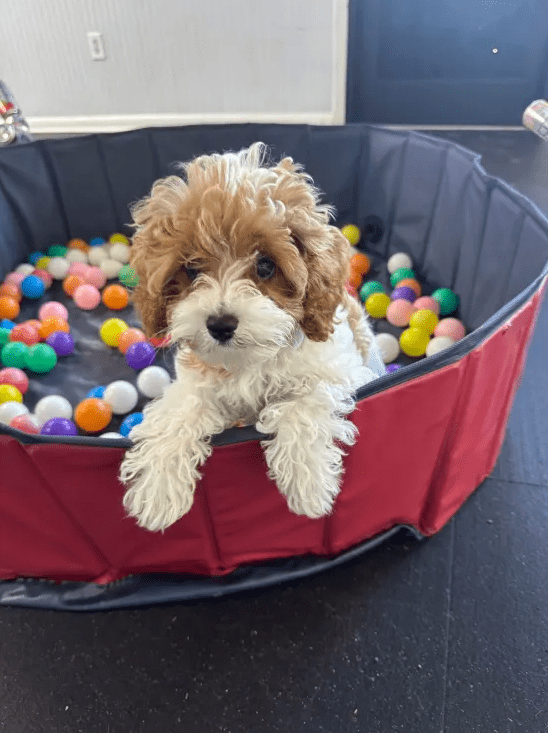
The first year of a puppy’s life plays a major role in shaping long-term behavior, confidence, and obedience. During this stage, puppies learn how to interact with people, respond to structure, and develop habits that often carry into adulthood.
Starting puppy training early helps build a strong foundation before unwanted behaviors become difficult to correct. Understanding what to expect during each stage of development can help you stay consistent and set your puppy up for long-term success.
8 to 12 Weeks: Early Socialization and Foundations
This is one of the most important developmental stages in a puppy’s life. Puppies are highly receptive to new experiences during this period, making it an ideal time to begin structured puppy training.
Training at this stage should focus on:
- socialization with people and safe dogs
- crate training
- potty training
- name recognition
- basic commands like sit and recall
Building positive experiences early helps puppies develop confidence and healthy social behavior as they grow.
3 to 4 Months: Building Routine and Consistency
As puppies become more comfortable in their environment, consistency becomes increasingly important. This is when routines begin turning into long-term habits.
Structured puppy training during this phase helps reinforce:
- leash manners
- basic obedience
- impulse control
- household boundaries
- focus and engagement
Puppies may also begin testing limits during this stage, which is why clear expectations and consistency from everyone in the home are essential.
For owners wanting additional guidance in everyday situations, at-home dog training can help reinforce good habits directly inside the home environment.
4 to 6 Months: Increased Energy and Testing Boundaries
Around this age, many puppies become more energetic, excitable, and independent. Owners often begin noticing behaviors such as:
- jumping
- leash pulling
- selective listening
- excessive excitement
This stage is completely normal, but it is also where many bad habits begin forming if structure is inconsistent.
Consistent puppy training helps reinforce focus, leash skills, and impulse control before these behaviors become more difficult to manage later on.
Group-based programs like group dog training can also help puppies learn how to stay engaged around distractions and other dogs.
6 to 9 Months: The “Teenage” Phase
This phase can be challenging for many owners. Puppies begin gaining confidence and may suddenly seem less interested in listening, even if they previously responded well to commands.
Common challenges during this stage include:
- ignoring commands
- increased distraction outdoors
- pushing boundaries
- regression in obedience
This is where ongoing puppy training becomes especially important. Consistency, patience, and repetition help reinforce the behaviors your dog has already learned while improving reliability in more distracting environments.
9 to 12 Months: Reinforcing Real-World Reliability
As your puppy approaches adulthood, training begins focusing more on reliability and consistency in everyday situations.
This stage often includes:
- longer stays
- improved recall
- calm leash walking
- greeting people appropriately
- maintaining focus around distractions
Dogs that continue structured puppy training throughout this phase tend to become more confident, calm, and dependable as they mature.

Why Early Puppy Training Matters
Early puppy training helps shape behavior during the most important developmental stages of your dog’s life. Building structure, confidence, and communication early often leads to better long-term obedience and fewer behavioral problems later on.
Starting training early can help:
- prevent unwanted habits
- improve confidence
- strengthen communication
- build better social behavior
- create structure and consistency
The earlier good habits are reinforced, the easier they are to maintain over time.
Every Puppy Learns at a Different Pace
No two puppies develop exactly the same way. Breed, personality, environment, and consistency at home all play a role in how quickly a puppy progresses through training.
Some puppies learn quickly, while others need more repetition and guidance. The goal is not perfection overnight. It is steady progress, consistency, and building strong habits over time.
Building the Right Training Plan for Your Puppy
The best training plan is one that matches your puppy’s personality, energy level, and stage of development. Whether you are focusing on obedience, socialization, or improving everyday behavior, consistency is what creates long-term success.
If you’re ready to build a strong foundation for your puppy, schedule a training evaluation to create a personalized training plan tailored to your dog’s needs and goals.