Advanced Commands Every Dog Should Know
Think your dog’s behavior is under control? If “sit” and “stay” are all they know, you might be missing critical safety skills that go far beyond the basics.
It’s easy to feel accomplished once your dog reliably follows those early commands. They’re valuable, but for today’s dog parents, especially those with curious puppies or newly adopted rescues, there is a bigger world of training that offers more protection, freedom, and trust.
Teaching advanced commands is not just about obedience. It helps keep your dog safe in unpredictable situations, builds confidence in new environments, and strengthens the bond between you and your four-legged family member.
The Hidden Limitations of Only Knowing ‘Sit’ and ‘Stay’
Teaching your dog only “sit” and “stay” gives a false sense of security. While these commands can be helpful in a few simple moments, life with a dog is often messy and unpredictable. Dogs meet new people, explore new places, and encounter distractions every day. If “sit” and “stay” are their only skills, both you and your dog may face bigger challenges than you expect.
A solid foundation starts with the basics, but to build genuine trust and safety, you need more. That’s where advanced dog commands come in. They prepare your dog to respond in high-stakes situations and everyday surprises. For a deeper approach to reliable behavior, check out obedience training for dogs.
Everyday Scenarios Where Basic Dog Commands Fall Short
Picture your dog near an open door when a squirrel runs by. Or imagine them sniffing something suspicious in the park. In both cases, “sit” and “stay” might not be enough to stop a chase or prevent a trip to the vet. These moments demand fast, focused responses, ones that only advanced training can offer.
The Role of Advanced Dog Commands in Real-World Safety
Advanced dog commands act like emergency brakes and safety nets. Commands like “leave it” can prevent your dog from picking up harmful objects. Teaching them a solid recall means you can call them away from traffic or distractions without worry. The right skills can even calm a nervous rescue dog during stressful encounters, keeping everyone safer.
Real Results: Nyx’s Story
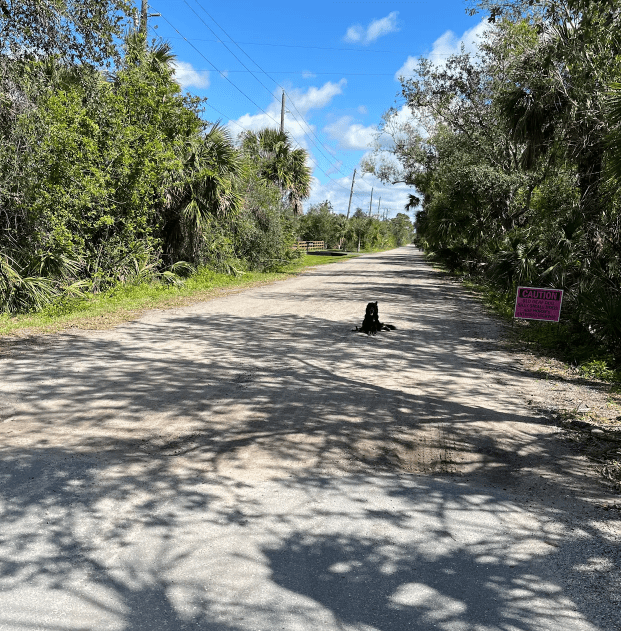
Nyx, a strong-willed husky mix, was once nearly impossible to walk and unresponsive to commands. Her owner described life with her as chaotic and overwhelming. “I was skeptical but honestly desperate. I couldn’t imagine another ten years of the craziness, so I decided to invest in my future with her and sign her up,” they said.
After a two-week board and train at K9’s Place, Nyx came home transformed. She now walks calmly on a leash, holds a reliable stay even when other dogs are nearby, and listens with focus and confidence. Her owner added, “Wish I had done it sooner. Here she is in a stay while we walk away with the other dog. That was IMPOSSIBLE before K9s Place!!!”
Essential Advanced Dog Commands Every Dog Should Know
Moving beyond the basics sets the stage for safer outings, smoother vet visits, and a calmer home. These advanced dog commands open up new possibilities for adventures while keeping your dog’s well-being front and center.
For new dog parents and those with rescue pups, gaining confidence in handling your dog starts with the right tools. If you ever feel overwhelmed, consider consulting the dog care and training guides for step-by-step help tailored to real-life situations.
Recall (Come When Called)
“Recall” is the most critical safety command beyond the basics. Whether you say “come,” “here,” or use a whistle, this command means your dog should run directly to you every time. Reliable recall saves lives, especially when your dog is off-leash or in a potentially dangerous situation. The key is to make coming to you the most exciting thing in their world, never use recall for punishment.
Leave It and Drop It
Dogs explore with their mouths, which means they’re quick to bite down on something dangerous or gross. “Leave it” tells your dog to ignore or walk away from something. “Drop it” is used when they already have something in their mouth. Mastering these commands can prevent trips to the emergency vet, keep your home tidy, and help avoid stressful moments on walks.
Place/Mat and Settle
A “place” or “mat” command teaches your dog to go to a specific spot and remain calm until released. This skill is perfect for those times when guests arrive, the doorbell rings, or your dog needs a break from overstimulation. “Settle” helps your dog relax in busy environments and is excellent for lowering their stress when life gets loud.
Heel and Loose Leash Walking
Walking on a loose leash without pulling isn’t just about polite manners. It protects your dog from bolting into traffic or getting tangled in crowded places. The “heel” command means your dog walks calmly at your side. Teaching this skill increases your control and makes walks enjoyable for both of you.
Emergency Stop and Boundary Training
“Emergency stop” commands, such as “wait” or “freeze,” are powerful tools if your dog is about to make a potentially dangerous move. Boundary training ensures your dog learns limits, such as not crossing doorways or yard lines without permission. Together, these commands keep your dog safe in busy public spots or at home.

How to Teach Advanced Dog Commands: Practical Tips for Success
Advanced training sounds intimidating, but with the right approach, every dog can learn. The best results come from clear steps, steady routines, and loads of praise. Patience is essential, especially if your dog has a rescue history or is still adjusting to new surroundings.
If your rescue pup tunes you out, find extra advice on Helping Your Rescue Dog Listen.
Building on Basics: A Step-by-Step Approach
Start simple. Introduce advanced dog commands in quiet, distraction-free settings first. Break tasks into small steps, rewarding even the smallest progress. For example, teach a reliable recall in your living room before trying it in the yard or at the park. Repeat each step many times, gradually adding distractions as your dog improves.
Consistency wins. Use the exact words and hand signals consistently to avoid confusion. Schedule short training sessions rather than long ones, keeping them upbeat and fun.
Making Training Engaging for Puppies and Rescue Dogs
Every dog loves a game. Turn lessons into play by using their favorite toys or treats. End sessions on a high note, so your dog looks forward to the next one. Remember, rescue dogs and puppies might need extra patience as they adjust to your home and routines. With kindness and the proper support, even shy or anxious pups can blossom.
Track your progress and celebrate wins, no matter how small. If you hit a rough patch or training stalls, asking for help shows strength, not weakness.
Build Real-World Skills with K9’s Place
Stopping at “sit” and “stay” leaves your dog and you unprepared for most of life’s surprises. Teaching advanced dog commands isn’t just about good manners. It gives your pet confidence, boosts safety, and deepens your relationship.
New pet parents, adopters, and puppy owners: start building real-world skills today. When you’re ready for expert guidance, turn to K9’s Place for personalized support. Your journey to a safer, happier life with your dog starts with the following command.
Contact K9’s Place today to schedule your free evaluation or learn more about our advanced training classes. Your dog’s safer, happier future starts here.