Not every dog needs formal training, but many dogs show clear signs when they would benefit from professional guidance. Some behaviors may seem harmless at first, but over time they can become frustrating, unsafe, or difficult to manage.
The good news is that most behavior issues can be improved with the right structure and consistency. If you’ve noticed any of the signs below, it may be time to consider professional training.

1. Your Dog Pulls Constantly on the Leash
If every walk feels like a tug-of-war, your dog likely hasn’t learned proper leash manners. Pulling isn’t just frustrating. It can make walks stressful and even dangerous if your dog lunges toward people or other dogs.
You can start by rewarding calm walking and stopping when your dog pulls, but many dogs need more structured guidance to break the habit. Professional training helps teach consistent leash behavior so your dog learns to walk calmly by your side instead of dragging you down the street.
2. Your Dog Ignores Basic Commands
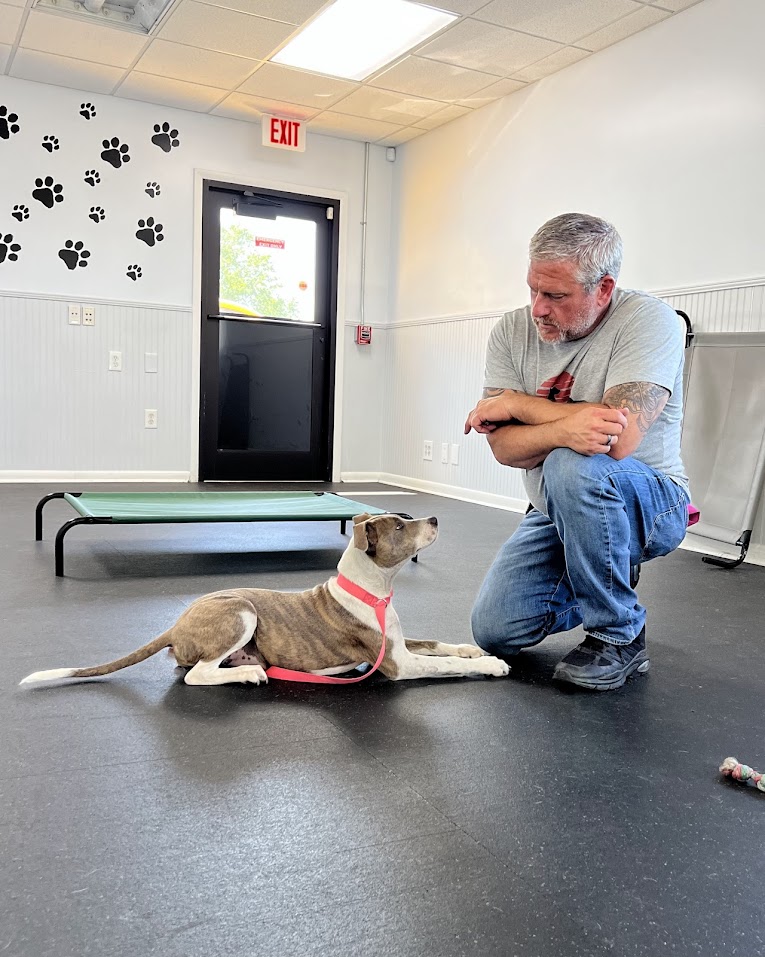
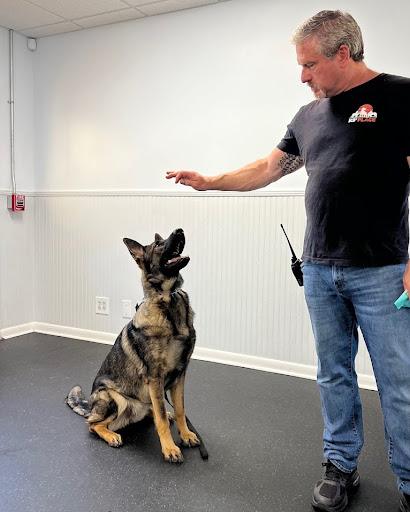
If your dog only listens when they feel like it, or not at all, it’s a sign that commands haven’t been fully reinforced. This often shows up with cues like “sit,” “stay,” or “come,” especially in distracting environments.
Training builds reliability. It teaches your dog that commands apply everywhere, not just at home. With professional guidance for obedience, dogs learn to respond consistently even when there are distractions around them.

3. Your Dog Barks Excessively
Barking is normal, but constant barking at people, noises, or other dogs usually signals an underlying issue. It could be boredom, anxiety, or a lack of structure.
You can try redirecting your dog or increasing exercise, but excessive barking often requires a more structured approach. Training helps identify the cause of the barking and teaches your dog calmer ways to respond to triggers.
4. Your Dog Jumps on People
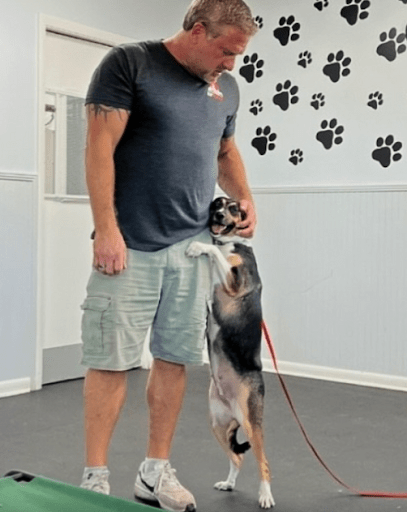
Jumping is one of the most common complaints from dog owners. While it often comes from excitement, it can quickly become a problem, especially with guests, children, or strangers.
Ignoring the behavior and rewarding calm greetings can help, but consistency is key. Professional training reinforces proper greetings and helps your dog learn how to stay calm when meeting new people.

5. Your Dog Shows Aggression Toward Other Dogs
If your dog barks, lunges, or snaps at other dogs, it’s a sign of reactivity or aggression that should be addressed early. These behaviors often come from fear, frustration, or lack of proper socialization.
This is one area where professional help is especially important. Structured aggressive dog training can help your dog build confidence, reduce reactivity, and learn safer responses when encountering other dogs.
6. Your Dog Has Trouble Being Left Alone
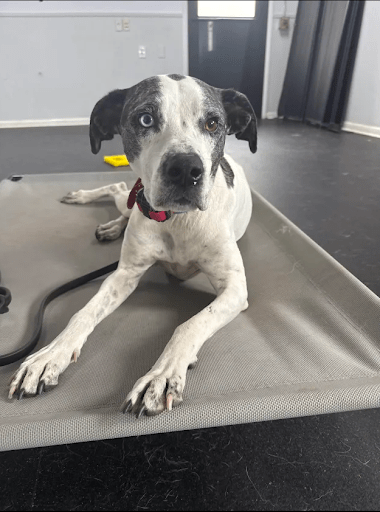
Dogs that become destructive, vocal, or anxious when left alone may be dealing with separation anxiety. This can show up as chewing, scratching, pacing, or constant barking.
While small adjustments to routine can help, more severe cases usually require structured training. Professional programs can help your dog become more comfortable being alone and reduce stress-related behaviors.

7. Your Dog Is Overly Hyper or Difficult to Control
Some dogs struggle to settle down, even after exercise. They may constantly jump, run, or ignore boundaries inside the home.
This often comes down to a lack of structure and mental stimulation. Training helps channel that energy into focused behavior and teaches your dog how to relax when needed.

8. Your Dog Guards Food, Toys, or Space
If your dog growls or becomes defensive around food, toys, or resting areas, this is known as resource guarding. It can escalate if not addressed properly.
Trying to manage this behavior without guidance can sometimes make it worse. Training provides a controlled approach to help your dog feel more secure and reduce the need to guard resources.

9. Your Dog Reacts Poorly to New Environments
If your dog becomes anxious, overstimulated, or difficult to control in new places, it’s a sign they need more structured exposure and guidance.
Professional training helps dogs build confidence in new environments and learn how to stay calm even when things around them change.
How Professional Training Helps
Training isn’t just about teaching commands. It’s about helping your dog understand how to behave in different situations and giving them the confidence to respond appropriately.
Professional trainers can:
- identify the root cause of behaviors
- create a structured training plan
- reinforce consistency
- guide both you and your dog
For dogs showing more serious behavioral issues, programs focused on aggressive dog training or behavior modification can provide the structure needed to create lasting change.
When to Take the Next Step
If you recognize any of these signs in your dog, it doesn’t mean you’ve done anything wrong. It simply means your dog needs clearer guidance and structure.
The earlier training begins, the easier it is to correct unwanted behaviors and build better habits.
If your dog is struggling with obedience, reactivity, or behavior issues, working with experienced trainers can help you create a calmer, more enjoyable relationship with your dog. Contact us today to schedule your free consultation.