
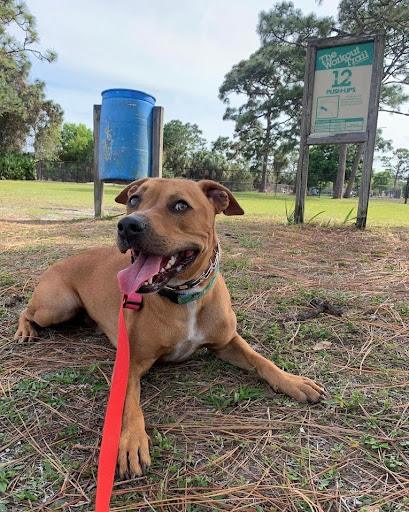
Many dog owners experience the same frustration. Their dog listens perfectly at home, but the moment they step outside, it feels like all training disappears.
Suddenly your dog is:
- pulling on the leash
- ignoring commands
- reacting to distractions
- losing focus completely
This is extremely common, especially in younger dogs or dogs that have not practiced obedience in distracting environments. The good news is that this behavior can usually be improved with consistency, structure, and the right training approach.
Why Dogs Stop Listening Outside
Inside the home, your dog is in a familiar and controlled environment with limited distractions. Outside, everything changes.
Your dog is suddenly surrounded by:
- smells
- sounds
- people
- dogs
- movement
- unfamiliar environments
For many dogs, this level of stimulation makes it difficult to stay focused, especially if they have only practiced commands inside the home.
This is why structured dog training should gradually progress into more distracting environments rather than staying limited to the house.
Your Dog May Not Fully Understand the Command Yet
A common misconception is that a dog “knows” a command simply because they perform it at home.
In reality, dogs often learn commands based on context. Your dog may understand “sit” in the kitchen but not fully understand that the command also applies:
- outside
- during walks
- around other dogs
- in busy environments
Reliable obedience comes from practicing behaviors in multiple settings with increasing distractions.
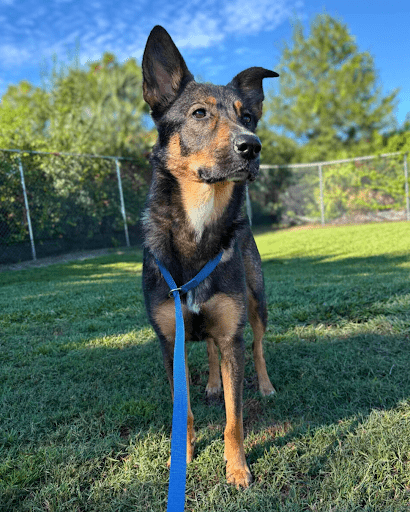
Outside Environments Are More Rewarding Than You
This is another major reason dogs struggle outdoors. Outside environments naturally compete for your dog’s attention.
Smells, movement, squirrels, other dogs, and exciting sounds are often more rewarding than listening to their owner unless training has been reinforced consistently in those situations.
Structured group dog training helps dogs learn how to maintain focus and obedience around distractions instead of only in quiet environments.
Your Dog May Be Overstimulated
Some dogs are not intentionally ignoring commands. They are simply overstimulated.
Signs of overstimulation can include:
- excessive pulling
- hyperactivity
- inability to focus
- barking or lunging
- frantic behavior during walks
When dogs become overstimulated, their ability to process commands decreases significantly. This is why training should progress gradually instead of immediately expecting perfect behavior in highly distracting situations.
Inconsistency at Home Can Affect Outdoor Behavior
Dogs thrive on consistency. If rules and expectations constantly change, dogs often struggle to understand what is expected of them outside the home.
For example:
- allowing pulling sometimes but correcting it other times
- repeating commands multiple times
- inconsistent reinforcement from family members
All of these can weaken obedience over time.
Consistent dog training helps reinforce clear communication and expectations in both indoor and outdoor environments.
Lack of Socialization Can Impact Focus
Dogs that were not properly socialized as puppies often struggle more with focus outdoors because unfamiliar environments feel overwhelming.
Early exposure to:
- people
- dogs
- sounds
- public environments
helps dogs become more confident and comfortable outside the home.
This is one reason early puppy training can have such a major impact on long-term behavior and confidence.
Some Dogs Need More Structured Training
For dogs with more serious behavioral issues, basic obedience alone may not fully solve the problem.
Dogs showing:
- reactivity
- lunging
- aggressive behavior
- extreme anxiety outdoors
may benefit from more advanced aggressive dog training or behavior-focused programs that address the root cause of the behavior rather than just obedience commands.

How to Improve Listening Outside
Improving outdoor obedience takes patience and repetition. Some of the most effective approaches include:
Start in Lower-Distraction Areas
Practice in quiet environments before moving into busy locations.
Reward Engagement
Reinforce attention and focus when your dog checks in with you during walks.
Keep Sessions Short
Short, successful sessions are often more productive than long, frustrating ones.
Be Consistent
Use the same commands, expectations, and reinforcement every time.
Gradually Increase Difficulty
Build toward more distracting environments instead of expecting immediate perfection.
Building Reliable Real-World Obedience
Reliable obedience is built through repetition and consistency in many different environments. Dogs need opportunities to practice commands outside the home before those behaviors become dependable in real-world situations.
With the right structure and training approach, most dogs can learn to stay focused and responsive even around distractions.
If your dog struggles to listen outside, schedule a training evaluation to build a plan tailored to your dog’s behavior and training goals.