Seeing your dog react aggressively toward another dog can be confusing and stressful. One moment they may seem calm, and the next they are barking, lunging, or snapping during a walk or at the dog park.
Dog aggression toward other dogs is more common than many owners realize, and it doesn’t necessarily mean your dog is “bad.” In many cases, aggressive reactions are simply a response to fear, frustration, or a lack of proper social experiences.
Understanding what causes these behaviors is the first step toward helping your dog feel calmer and more confident around other dogs.
Fear and Anxiety
One of the most common reasons dogs act aggressively toward other dogs is fear. When a dog feels threatened or overwhelmed, they may display aggressive behaviors as a way to create distance.
This type of reaction often appears as:
- barking and lunging on leash
- snapping when another dog gets too close
- stiff body posture or raised hackles
From the dog’s perspective, these behaviors work. If the other dog backs away, the aggressive display successfully removes the perceived threat.
In situations where fear-based aggression becomes frequent, structured behavior work such as aggressive dog training can help dogs gradually learn safer responses to stressful encounters.
Lack of Early Socialization
Dogs that didn’t have positive interactions with other dogs during puppyhood may struggle to read canine body language later in life.
Without those early experiences, some dogs become unsure how to communicate or respond appropriately during encounters with other dogs.
This can lead to reactions that appear aggressive but are actually rooted in confusion or uncertainty.
Gradual exposure, controlled introductions, and structured training can help dogs build confidence and develop better social skills around other animals.
Frustration on Leash

Many dogs behave differently on leash than they do off leash. A friendly dog that wants to greet another dog may become frustrated when the leash prevents them from approaching.
That frustration can quickly turn into:
- barking
- pulling
- lunging
Over time, repeated frustration can create a habit where the dog reacts aggressively whenever they see another dog during a walk.
Training programs that focus on impulse control and calm leash behavior are often very effective at addressing these types of reactions.
Resource Guarding
Some dogs become defensive when they feel another dog is competing for something valuable.
Common triggers include:
- food
- toys
- attention from owners
- resting spaces
Resource guarding can escalate quickly if dogs feel their space or possessions are threatened.
Behavior modification techniques can help dogs develop healthier responses when they feel protective of resources.
Previous Negative Experiences
Dogs can also develop aggression toward other dogs after a negative encounter.
A frightening experience, such as being attacked or bullied by another dog, can create a lasting association between other dogs and danger.
Even a single bad experience may cause a dog to react defensively when they see another dog in the future.
Carefully structured training can help rebuild confidence and replace those negative associations with positive experiences.
How Professional Training Can Help
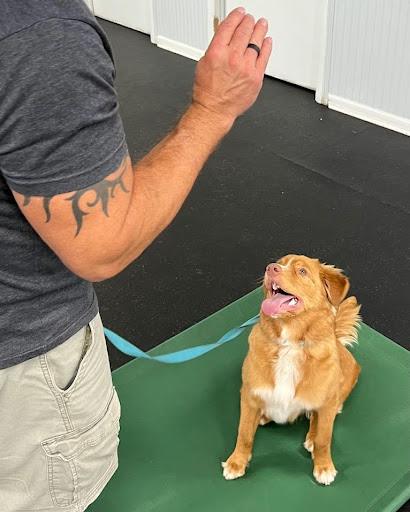
Aggression between dogs is rarely solved through punishment or avoidance alone. In many cases, dogs need guidance to learn calmer, safer responses when they encounter other dogs.
Professional trainers, like us at K9s Place, can evaluate your dog’s behavior, identify the triggers causing aggressive reactions, and develop a structured plan to address those behaviors.
Programs designed specifically for behavior issues, such as aggressive dog training, focus on helping dogs build confidence, improve impulse control, and develop better communication with both people and other dogs.
With consistent training and the right guidance, many dogs that struggle with aggression can learn to remain calm and focused even when other dogs are nearby.
Helping Your Dog Feel More Confident
Aggressive behavior toward other dogs can feel overwhelming for owners, but it’s important to remember that these reactions often come from fear, frustration, or uncertainty rather than true hostility.
With patience, proper training, and structured guidance, many dogs can learn new ways to respond to stressful situations.
If your dog regularly barks, lunges, or snaps when encountering other dogs, working with experienced trainers who specialize in aggressive dog training can help you understand the root cause of the behavior and begin building safer habits.
Helping your dog feel more confident around other dogs can improve not only their behavior, but also their quality of life.